Art History Courses & Seminars

Engaging, In-Depth, and Accessible Learning

Art History Survey I: Ancient to Medieval Art
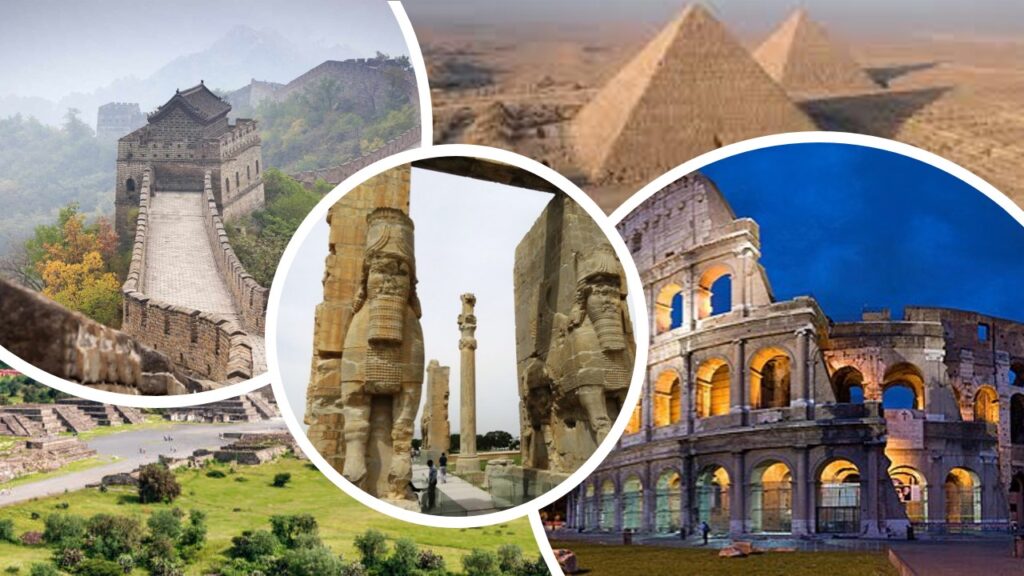
“Explore the foundations of art from ancient civilizations to the late medieval world.”

This course offers a wide-ranging introduction to the development of art from ancient civilizations through the medieval period across different regions of the world. Beginning with the art of Egypt, Mesopotamia, Greece, Rome, and Persia, and expanding to include Byzantine, Islamic, Asian, and European medieval traditions, students examine how artistic forms evolved in response to cultural, religious, and political contexts. Through guided lectures, visual analysis, and discussion, participants develop skills in understanding style, symbolism, materials, and historical meaning. The course provides a strong global foundation for further study in art history while remaining accessible to learners at all levels.

Duration: Flexible — single sessions or multi-week format
Format: Online (Live) or In-Person (subject to availability)
Schedule: Arranged individually or for small groups
Enrollment: Open to adults of all levels

Art History Survey II: Renaissance to Contemporary
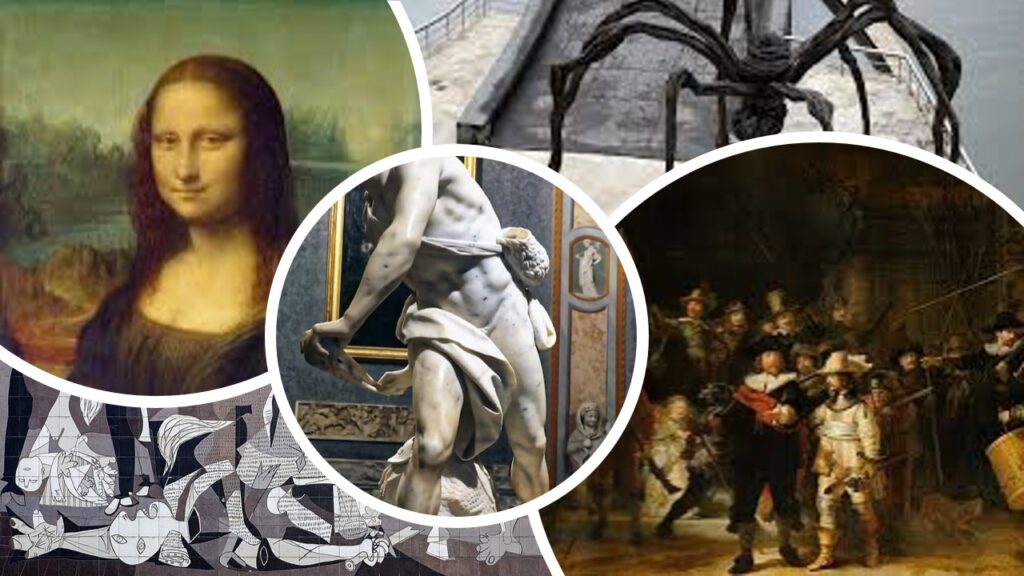
“Explore the evolution of art from the Renaissance to contemporary movements.”

This course traces the development of art from the Renaissance to the present day, examining major movements, artists, and architectural achievements along the way. Participants become familiar with significant works in painting, sculpture, and architecture while learning how artistic ideas evolved across periods such as the Renaissance, Baroque, Rococo, Neoclassicism, Romanticism, Realism, Modernism, and Postmodernism. Through guided slide lectures, discussion, and visual analysis, students build confidence in understanding style, terminology, and historical context, while developing the ability to thoughtfully compare artworks across different eras.

Duration: Flexible — single sessions or multi-week format
Format: Online (Live) or In-Person (subject to availability)
Schedule: Arranged individually or for small groups
Enrollment: Open to adults of all levels

History of the Renaissance in Italy and Northern Europe
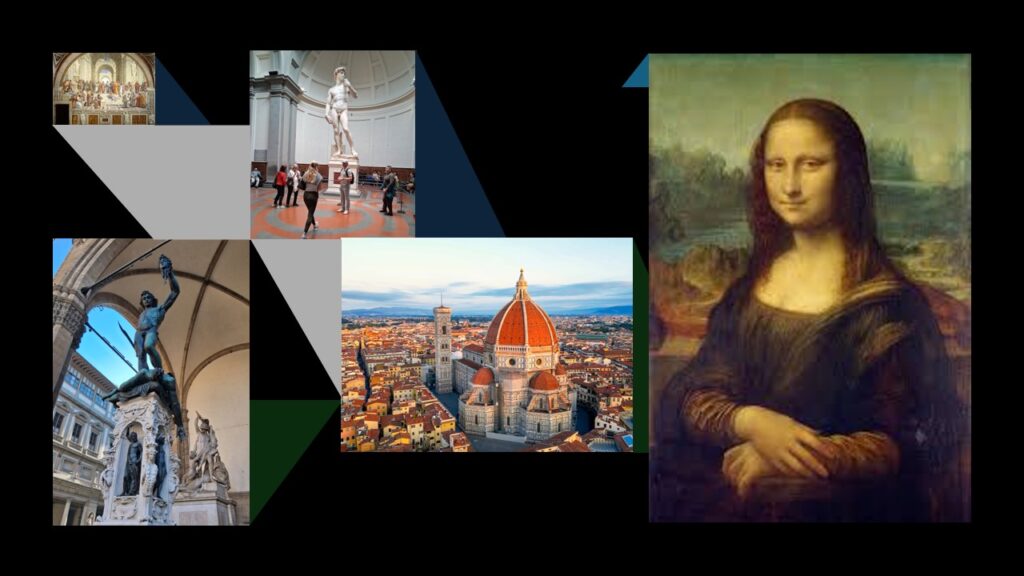
“Explore the art, ideas, and masters of the Renaissance in Italy and Northern Europe.”

This course offers an in-depth exploration of the Renaissance, with particular attention to developments in Italy and Northern Europe. Participants examine major works in painting, drawing, sculpture, and architecture while gaining insight into the leading artists and architects who shaped this transformative period. Through slide lectures, guided discussion, and selected visual media, the course situates artworks within their historical and cultural context, helping students understand key innovations, regional differences, and lasting influences of the Renaissance.

Duration: Flexible — single sessions or multi-week format
Format: Online (Live) or In-Person (subject to availability)
Schedule: Arranged individually or for small groups
Enrollment: Open to adults of all levels

History of Drawing: From the Renaissance to Contemporary Art
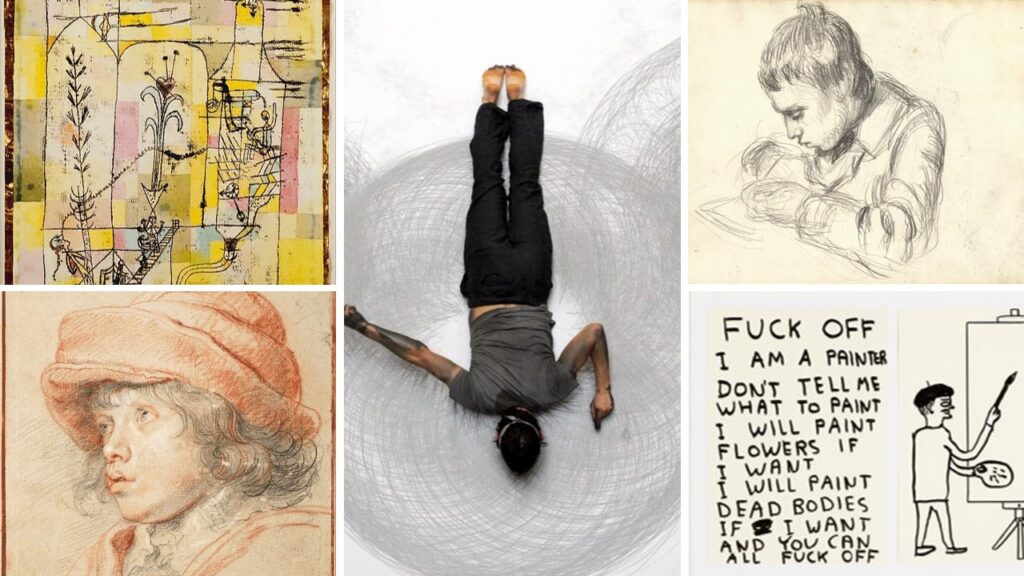
“Explore the evolution of drawing from Renaissance to contemporary art.”

This course explores the development of drawing from the Renaissance to contemporary art, examining how artists have used line, form, and mark-making across centuries. Participants study key works and movements while gaining insight into the materials, techniques, and conceptual shifts that shaped drawing as both a foundational skill and an independent artistic medium. Through slide lectures, guided discussion, and visual analysis, the course situates drawing within its historical and cultural context — from preparatory studies and academic traditions to modernist innovation and contemporary practices. Students build the ability to recognize stylistic developments, compare approaches across periods, and understand how drawing continues to evolve today.

Duration: Flexible — single sessions or multi-week format
Format: Online (Live) or In-Person (subject to availability)
Schedule: Arranged individually or for small groups
Enrollment: Open to adults of all levels

History of Sculpture: From the Renaissance to Contemporary Art
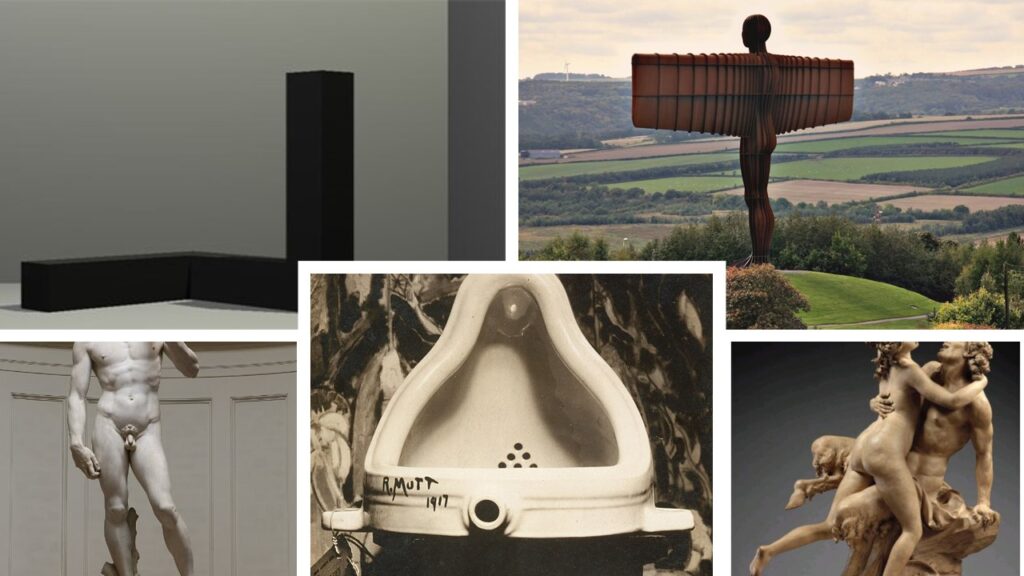
“Explore the evolution of sculpture from Renaissance mastery to contemporary art.”

This course examines the development of Western sculpture from the Renaissance to the present, exploring how artists have shaped space, form, and meaning in three-dimensional art. Participants study key figures, techniques, and movements while gaining insight into the changing role of the sculptor and the viewer across centuries. Through slide lectures, discussion, and visual analysis, students develop a strong understanding of traditional, modern, and contemporary approaches to sculpture and learn to recognize stylistic shifts, innovations, and enduring influences in the field.

Duration: Flexible — single sessions or multi-week format
Format: Online (Live) or In-Person (subject to availability)
Schedule: Arranged individually or for small groups
Enrollment: Open to adults of all levels

Introduction to Italian Modern & Contemporary Art
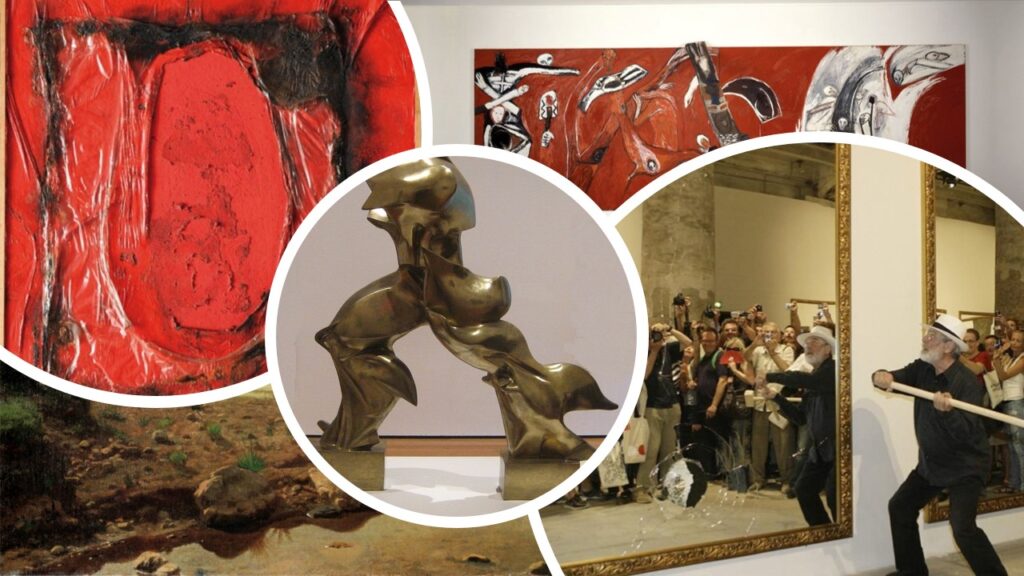
“From Macchiaioli to contemporary: Italian art through time.”

This course provides an in-depth look at Italian modern and contemporary art, covering movements from the Macchiaioli and Futurism to Arte Povera, Transavanguardia, and Poesia Visiva. Participants examine key works and artists such as Lucio Fontana, Piero Manzoni, and Maurizio Cattelan, learning about their techniques, philosophies, and impact on the art world. Through lectures, guided discussion, and visual analysis, students develop a clear understanding of stylistic developments, artistic dialogues, and the unique character of Italian modern and contemporary art.

Duration: Flexible — single sessions or multi-week format
Format: Online (Live) or In-Person (subject to availability)
Schedule: Arranged individually or for small groups
Enrollment: Open to adults of all levels

Public Art: From 1960 to Contemporary Practices
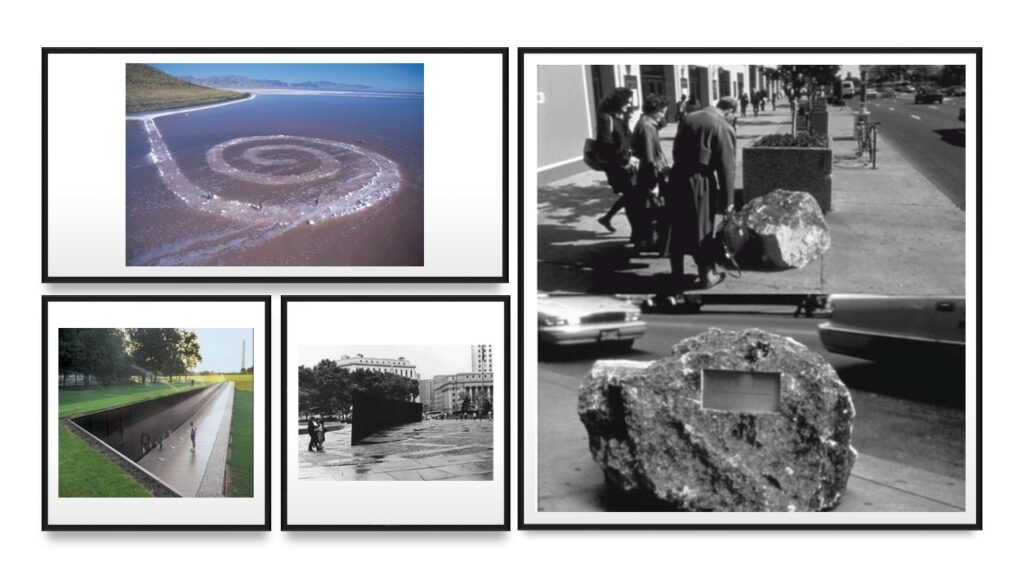
“Public art from monuments to participatory and virtual forms.”

This advanced course examines the development of public art from the early 1960s to the present, highlighting the shift from traditional monuments to participatory, socially engaged, and virtual practices. Participants study key artists, movements, and theories, including land art, social sculpture, institutional critique, new genre public art, and net art. Through lectures, discussions, visual analysis, and media, students gain insight into how public art transforms spaces, engages audiences, and redefines the roles of artist and viewer.

Duration: Flexible — single sessions or multi-week format
Format: Online (Live) or In-Person (subject to availability)
Schedule: Arranged individually or for small groups
Enrollment: Open to adults of all levels

The Creative Role of Calligraphy in Iranian Art
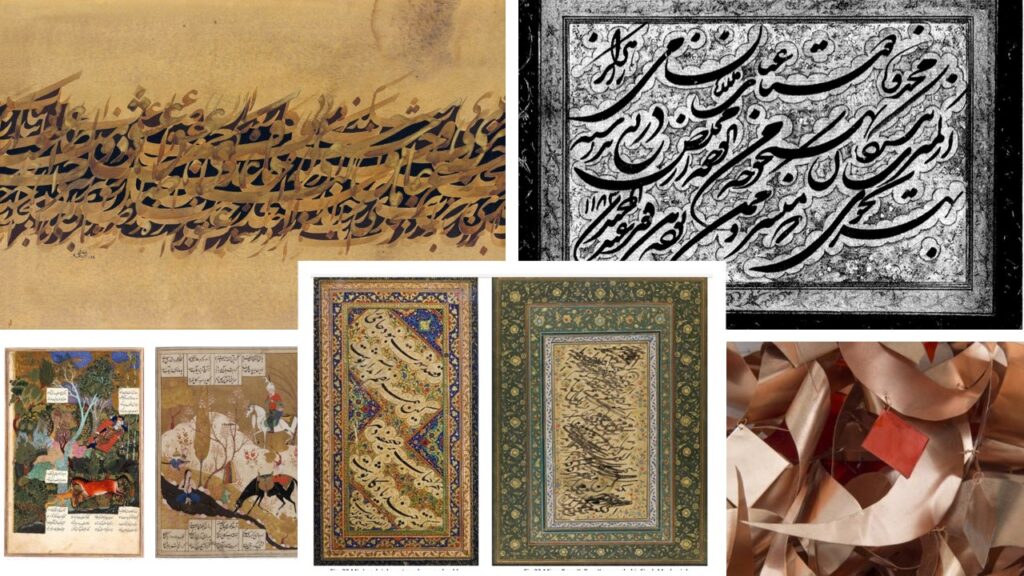
“Explore Persian calligraphy and its influence on modern and contemporary Iranian art.”

This course provides an in-depth look at the history and evolution of Persian calligraphy, emphasizing its impact on Iranian visual arts. Participants study key figures, styles, and movements from traditional Islamic scripts to modern and contemporary approaches. The course highlights the relationship between calligraphy, poetry, and cultural context, helping students understand the diversity, symbolism, and artistic significance of this distinctive art form. Engaging lectures and discussions provide historical insight while encouraging appreciation of both technique and expression.

Duration: Flexible — single sessions or multi-week format
Format: Online (Live) or In-Person (subject to availability)
Schedule: Arranged individually or for small groups
Enrollment: Open to adults of all levels

Introduction to Art, Aesthetics & Neuroscience
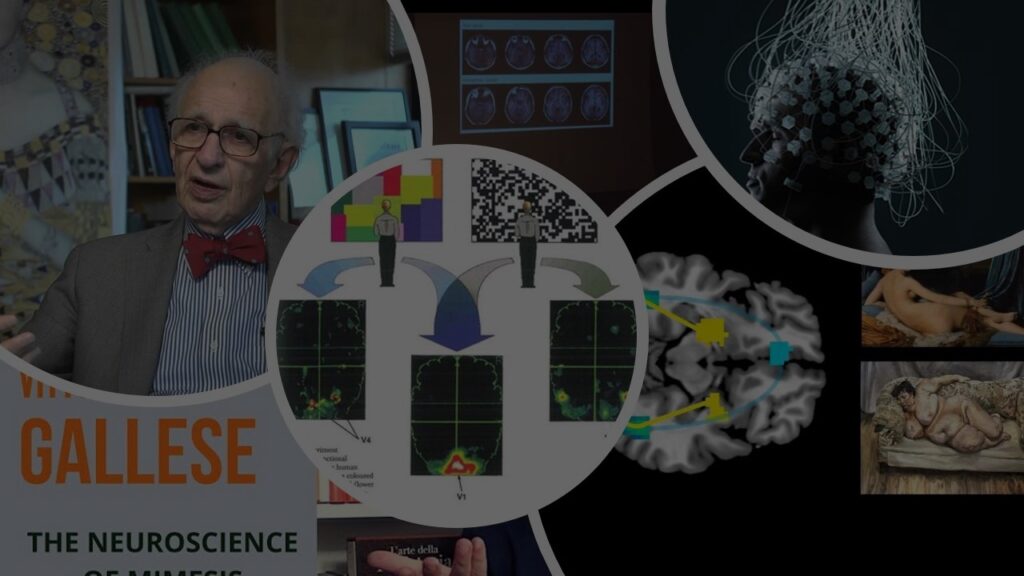
“Explore how the brain perceives and responds to art from the 1900s to today.”

This advanced course investigates the intersection of art, aesthetics, and neuroscience, examining how humans perceive and experience art. Participants study key concepts such as the beholder’s share, empathy, mirror neurons, neural plasticity, and neuroaesthetics, gaining insight into the cognitive and emotional responses to visual stimuli. Through lectures, discussions, assignments, and visual media, students explore the scientific foundations of aesthetic experience and the ways neuroscience informs our understanding of art across history and contemporary practice.

Duration: Flexible — single sessions or multi-week format
Format: Online (Live) or In-Person (subject to availability)
Schedule: Arranged individually or for small groups
Enrollment: Open to adults of all levels

Art History: Theories, Methods & Critical Approaches
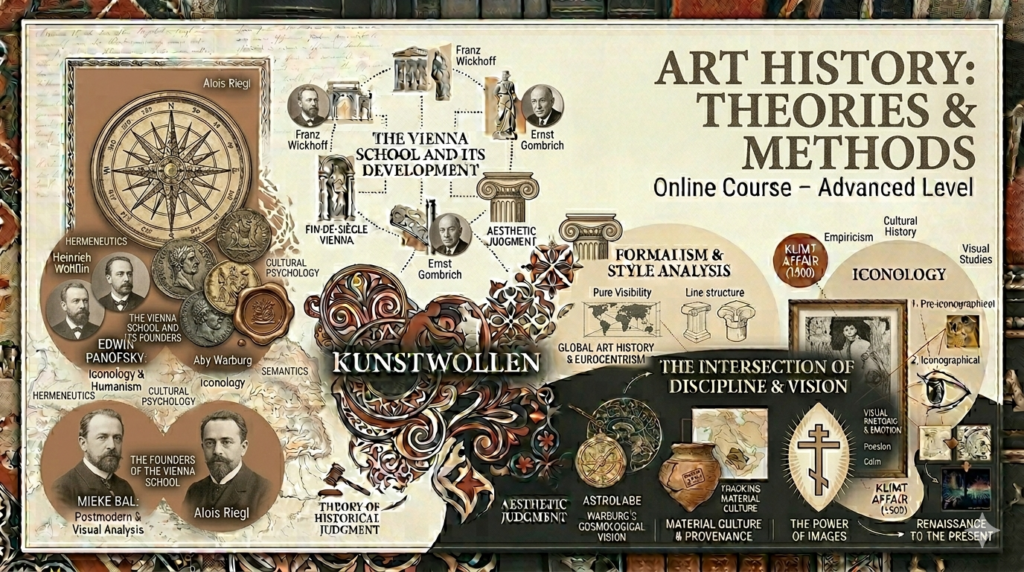
“Explore art history: methods, theories, and critical approaches from 19th century on.”

This advanced course examines the development of art history as an academic discipline, from the Vienna School in the mid-1800s to contemporary practices. Students study key figures, theories, and methods, while engaging with critical debates such as global art history, Eurocentrism, and interdisciplinary approaches including psychology and neuroscience. Through lectures, discussions, readings, assignments, and visual analysis, participants gain the skills to analyze and compare artworks, and develop the ability to write informed exhibition reviews.

Duration: Flexible — single sessions or multi-week format
Format: Online (Live) or In-Person (subject to availability)
Schedule: Arranged individually or for small groups
Enrollment: Open to adults of all levels

History of Art History: Methods from 1860 to 1960
“Explore the methods, theories, and key figures that shaped early modern art history.”

This advanced course examines the development of art history as an academic discipline from the Vienna School in the mid-1800s up to 1960. Students study leading figures, major methods, and influential theories that shaped art historical practice, including Formalism, Style Analysis, Iconology, and concepts like Kunstwollen and Empathy. Through lectures, discussions, assignments, documentaries, and visual media, participants gain historical insight while learning to analyze and compare artworks critically.

Duration: Flexible — single sessions or multi-week format
Format: Online (Live) or In-Person (subject to availability)
Schedule: Arranged individually or for small groups
Enrollment: Open to adults of all levels

Art History Since 1960: Contemporary Theories, Methods
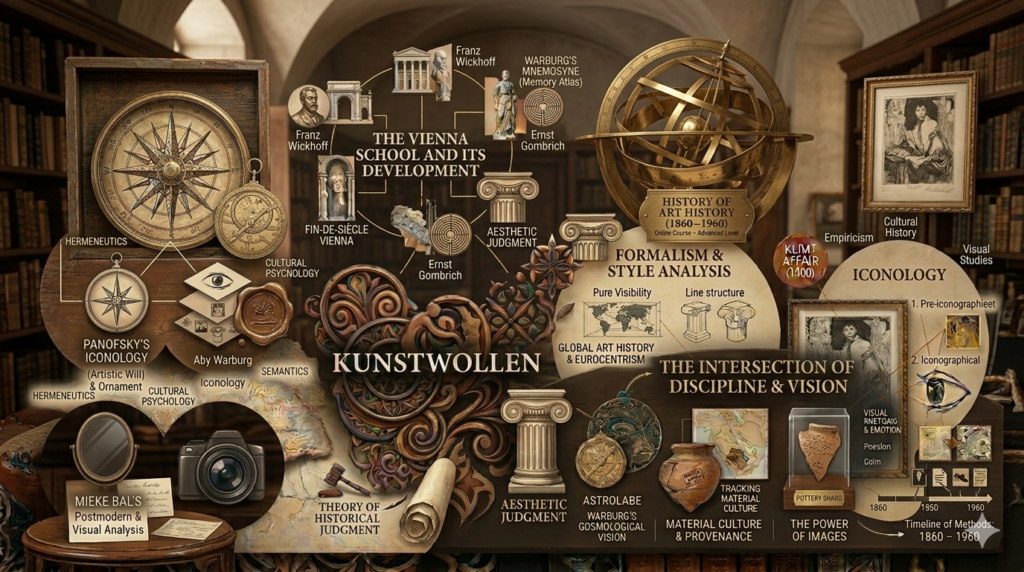
“Explore art history since 1960, from traditional methods to global approaches.”

This advanced course examines the development of art history from 1960 to the present, highlighting shifts in traditional approaches, the rise of new master narratives, and the challenges of global art history and Eurocentrism. Students study key figures, contemporary methods, and innovative theories that shape art historical practice today. Through lectures, discussions, readings, assignments, documentaries, and visual media, participants gain insight into contemporary art history while learning to analyze, compare, and contextualize artworks in a global framework.

Duration: Flexible — single sessions or multi-week format
Format: Online (Live) or In-Person (subject to availability)
Schedule: Arranged individually or for small groups
Enrollment: Open to adults of all levels

Alois Riegl: Theories, Ideas & Contributions to Art History
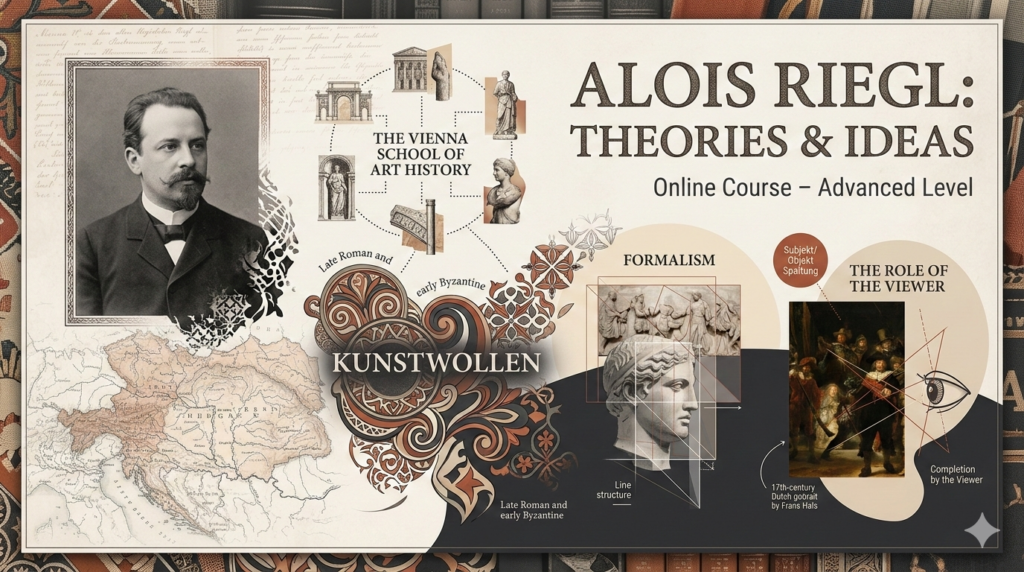
“Explore Alois Riegl’s ideas and their impact on art history and the Vienna School.”

This advanced course examines the life, theories, and influence of Austrian art historian Alois Riegl, a key figure in establishing art history as an independent discipline. Students study his major works, concepts, and the Vienna School’s approach, with a focus on formalism and Riegl’s view of the viewer’s role in completing a work of art. Lectures, discussions, assignments, readings, and visual media provide a deep understanding of his lasting contributions to the field.

Duration: Flexible — single sessions or multi-week format
Format: Online (Live) or In-Person (subject to availability)
Schedule: Arranged individually or for small groups
Enrollment: Open to adults of all levels